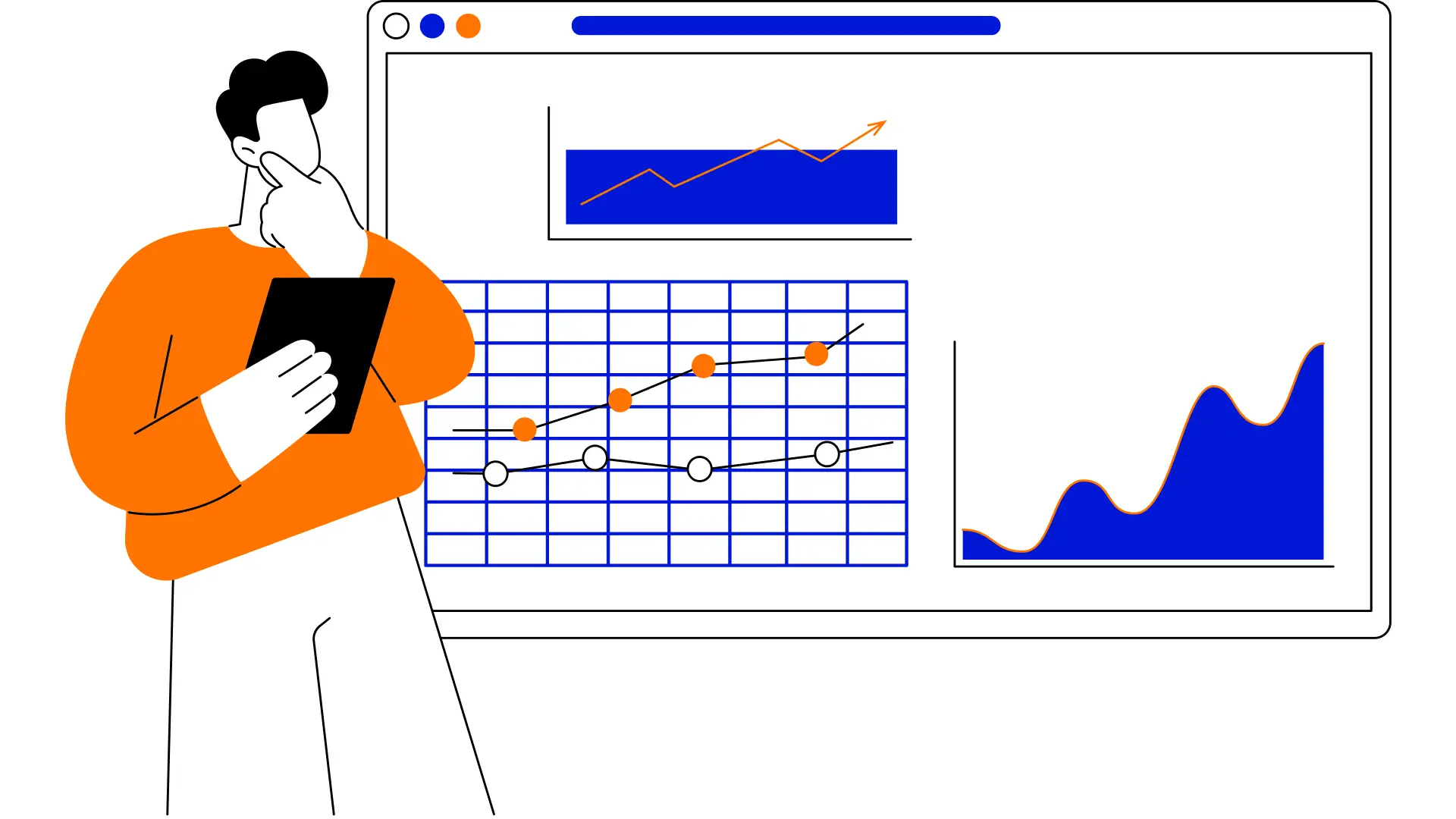
Brand investment is frequently challenged in Australian businesses because it is frequently measured badly. When the metrics used to evaluate brand performance are follower counts, reach statistics, and share of voice numbers that do not connect to commercial outcomes, it is not surprising that finance teams and boards struggle to justify continued investment.
The solution is not to abandon brand measurement – it is to measure the right things. This article covers the brand metrics that actually matter for Australian businesses, why they matter, and how to track them effectively.
1. What Vanity Metrics Actually Are
Vanity metrics are measurements that look impressive but do not reliably predict commercial performance. Social media followers, total reach, impressions, page views, and email list size all fall into this category to varying degrees. They are not meaningless – large reach and engaged audiences do have commercial value – but they are easily gamed, easily misinterpreted, and easy to confuse with evidence of brand health.
The problem is not that these metrics exist but that they are often presented as evidence of brand effectiveness without being connected to the commercial outcomes they are supposed to predict. Reach without conversion is not brand success. Followers without purchase intent are not customers.
2. Brand Awareness Metrics That Matter
Awareness is a legitimate brand metric – but it needs to be measured in ways that connect to commercial relevance. Prompted and unprompted brand awareness surveys, conducted periodically with a representative sample of the target audience, measure whether the brand is known and considered by the people who matter commercially.
Branded search volume – the number of people searching for the brand name or brand-adjacent terms – is a reliable proxy for brand awareness that can be tracked continuously through Google Search Console without survey research.
3. Brand Consideration and Preference Metrics
Awareness is necessary but not sufficient. A brand that is well-known but not preferred is not commercially effective. Measuring brand consideration – whether the target audience includes the brand in their consideration set when making relevant purchase decisions – and brand preference – whether they prefer it to alternatives – provides a more complete picture of brand health.
4. Conversion Rate as Brand Metric
Conversion rate – the percentage of prospects who take a desired action – is one of the most direct commercial signals of brand effectiveness. A brand that converts at 4% where competitors convert at 2% has a measurable brand advantage. Tracking conversion rates by channel, by audience segment, and over time creates a picture of brand performance that finance teams can evaluate.
The key is to track conversion rates in ways that distinguish brand effects from other variables. A/B testing of brand-adjacent changes (messaging, visual identity, social proof), combined with channel-level conversion analysis, makes it possible to isolate brand contribution to conversion.
5. Customer Retention as Brand Metric
Customer retention is the clearest long-term signal of brand health. Customers who feel a genuine connection to a brand – who identify with its values and trust its quality – stay. Customers who are merely satisfied with the product on the last purchase are vulnerable to the next competitor who offers a lower price or a more compelling alternative.
Tracking retention rates, return visit rates, and repeat purchase rates – segmented by customer acquisition source and customer profile – reveals which customer groups have the strongest brand connection, and where brand investment is most effectively creating loyalty.
6. Net Promoter Score and Referral Rate
NPS – the likelihood that a customer would recommend the brand to someone they know – is a useful brand health metric when tracked over time and segmented by customer type. More directly commercial is referral rate: the percentage of new customers who arrive through referral from existing customers. Referral rate is both a brand health indicator and a direct commercial benefit of strong brand equity.
7. Pricing Power as Brand Metric
Pricing power – the ability to charge a premium without losing customers – is one of the most commercially significant indicators of brand equity, and one of the least commonly tracked. Businesses that track their pricing relative to competitors, and monitor the price elasticity of demand for their products, have a direct measure of the commercial value of their brand.
8. Building a Brand Measurement Framework
An effective brand measurement framework combines leading indicators (awareness, consideration, sentiment) with lagging indicators (conversion rate, retention, revenue per customer) and tracks them consistently over time. The goal is not to measure everything but to measure the things that most reliably predict and reflect commercial brand performance.
Read next: What a Brand Strategy Process Actually Delivers, Subscription Brand Strategy, The True Cost of a Cheap Brand.
If your business needs a brand measurement framework that connects brand investment to commercial outcomes, The Animals builds brands and measurement systems for Australian businesses that are serious about brand ROI. Talk to The Animals about brand measurement →