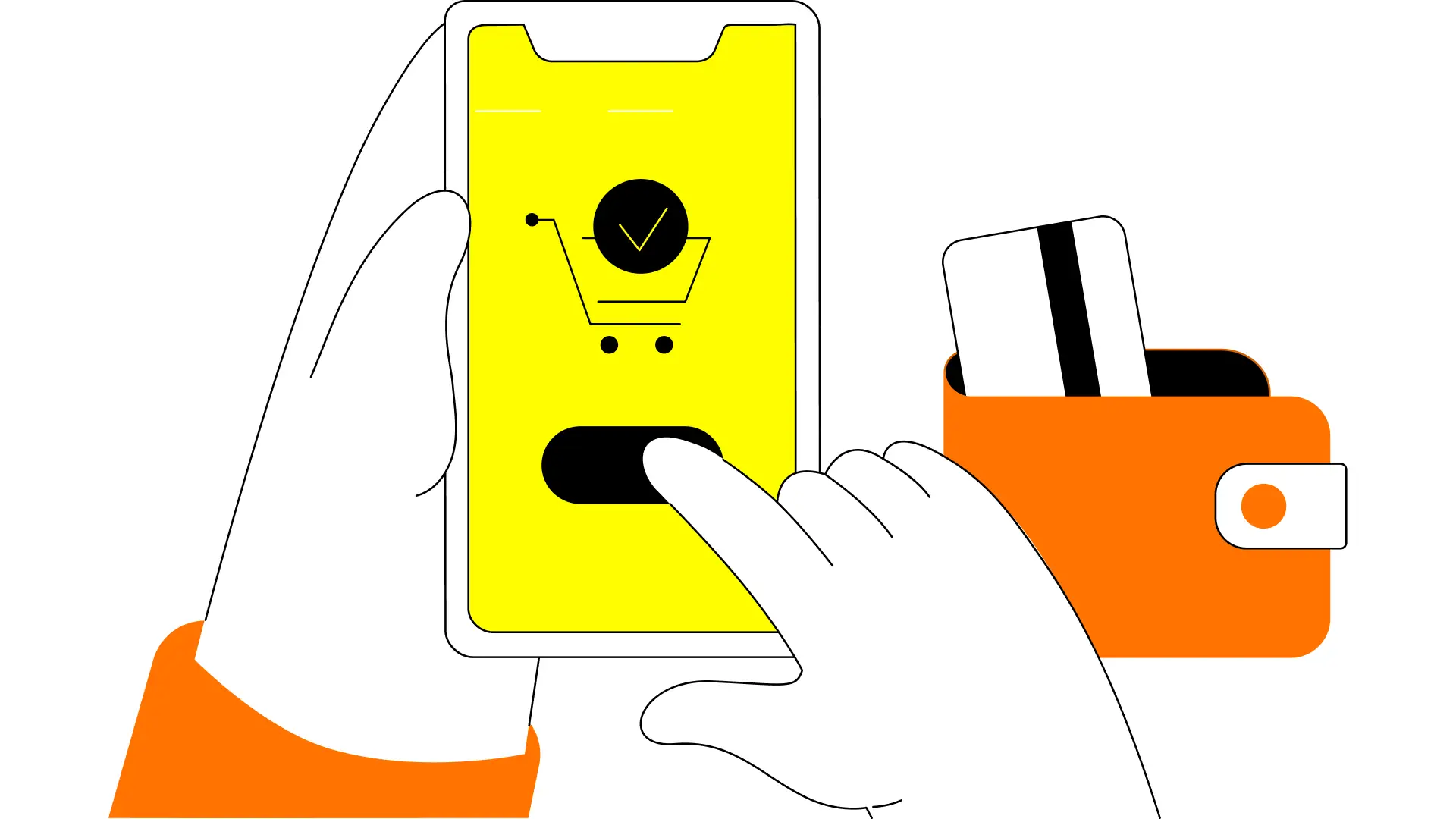
Cart abandonment in Australian eCommerce sits at approximately 70-80% for most retailers. Seven or eight out of every ten customers who add a product to their cart do not complete the purchase. This is not primarily a price problem, a product problem, or a logistics problem – it is, in most cases, a brand experience problem at the checkout stage.
The checkout is where the brand experience is most likely to break down. The warmth, the storytelling, the community – the things that brought the customer to the site and into the funnel – often evaporate at the point of payment. What replaces them is friction, distrust, and doubt. The customer who was ready to buy becomes uncertain, and uncertainty is the enemy of conversion.
1. What Checkout Brand Experience Actually Means
Brand experience at checkout is the totality of what the customer sees, reads, and feels as they move from adding a product to their cart to completing a purchase. It includes the visual design of the checkout flow, the copy in every field and confirmation message, the trust signals (security badges, return policies, customer reviews), the friction level (number of steps, form complexity), and the overall sense of whether this feels like a trustworthy, professional retailer.
2. The Trust Gap at Checkout
The moment a customer reaches the checkout, they are being asked to do something that feels risky: share their payment details with a business they may have encountered for the first time that day. The degree to which the brand has built trust through the pre-checkout experience determines how large this trust gap is – and whether the brand experience at checkout can bridge it.
Brands that have invested in building credibility through product photography, customer reviews, clear returns policies, and consistent communication have a much smaller trust gap to bridge at checkout than brands that have relied on product quality alone.
3. Checkout Design as Brand Expression
The visual design of a checkout flow is a direct expression of the brand. Checkout pages that share the visual language, typography, and colour palette of the rest of the brand create continuity and confidence. Checkout pages that use default platform styling – which often looks different from the rest of the site – create discontinuity and doubt.
4. Checkout Copy as Brand Voice
Every piece of text in a checkout flow is a brand voice moment. The field labels, the validation messages, the security copy, the confirmation screen – all of these should reflect the brand’s voice as clearly as any other piece of communication. A brand that is warm and conversational on its product pages but cold and functional in its checkout flow creates a brand dissonance that erodes trust.
5. Post-Purchase Brand Experience
The brand experience does not end when the order is confirmed. The order confirmation email, the shipping notification, the delivery experience, and the unboxing moment are all brand touchpoints that significantly affect whether a first-time buyer becomes a repeat customer. Brands that invest in the quality of these post-purchase touchpoints consistently outperform those that treat them as logistical necessities.
6. Reducing Friction Without Compromising Brand
The primary goal of checkout optimisation is to reduce friction – the number of steps, the amount of information required, the cognitive effort involved. But friction reduction must be implemented in a way that maintains the brand experience. Removing form fields is good; removing trust signals is not. Simplifying the payment process is good; removing the design quality that communicates professionalism is not.
7. Abandoned Cart Recovery as Brand Strategy
Abandoned cart recovery – the automated emails and retargeting that bring back customers who did not complete a purchase – is also a brand touchpoint. The tone, design, and timing of recovery communications directly affect both recovery rate and brand perception. Brands that recover abandoned carts with communications that feel respectful and genuinely helpful recover more customers than those that feel pushy or transactional.
8. Measuring Checkout Brand Performance
Checkout brand performance is measurable through checkout conversion rate, abandonment rate by step, payment failure rate, and post-purchase NPS. Connecting these metrics to specific brand experience changes – improved copy, redesigned trust signals, streamlined flow – builds the evidence base for ongoing checkout brand investment.
Read next: Retail Brand Strategy in Australia, Replatforming Your eCommerce Store, Brand Voice in UX.
If your eCommerce brand is losing customers at checkout, The Animals builds checkout experiences that convert – through brand strategy, UX design, and copy that maintains brand confidence through the final step. Talk to The Animals about your checkout brand experience →