Most Australian businesses reach a point in their growth where the brand that served them well in the early stages starts to work against them. The visual identity that was fresh and distinctive when five people were making all the decisions becomes inconsistent and diluted when fifty people are applying it across twenty channels. The brand voice that was natural when the founders were writing all the copy becomes generic when it is replicated by a growing marketing team without clear guidance.
This is the brand systems problem – and it is one of the most common and costly brand failures in growing Australian businesses.
1. What a Brand System Is
A brand system is the set of rules, principles, and tools that allow a brand to be applied consistently across all touchpoints, by all team members, across all channels and formats. It is the infrastructure that makes brand consistency achievable at scale – without requiring every brand decision to be reviewed by the founding team.
A complete brand system typically includes: brand positioning and values documentation; visual identity guidelines (logo usage, colour, typography, photography, illustration); voice and tone guidelines; design templates for common formats; and a component library for digital products.
2. Why Brand Assets Alone Are Not Enough
Most businesses that invest in brand identity receive a set of brand assets: logo files, colour palette, typography choices, a style guide. These assets are necessary but not sufficient. Without the rules that govern how these assets are applied – when to use which logo version, how to combine colours, what typography hierarchy to use in different contexts – the assets will be applied inconsistently.
Brand assets are the vocabulary of the brand. Brand systems are the grammar – the rules that determine how the vocabulary is used to communicate coherently.
3. When to Invest in a Brand System
The right time to invest in a brand system is when the cost of brand inconsistency exceeds the cost of the system. This typically happens when the marketing team grows beyond three to four people, when the business expands into new channels that the existing brand assets were not designed for, or when the volume of brand communications grows to the point where individual review is no longer practical.
4. Design Systems for Digital Products
For businesses with digital products – apps, platforms, web applications – a design system is the equivalent of a brand system. It provides the component library, the interaction patterns, and the visual language rules that allow development teams to build product interfaces that are consistent with the brand and with each other.
Design systems reduce development time, improve product quality, and maintain brand coherence as products grow in complexity. They are one of the highest-ROI investments a digital product business can make after the initial product-market fit stage.
5. Brand Governance
Brand governance is the process by which a brand system is maintained and enforced over time. It includes: clear ownership of brand decisions, a review process for brand applications that fall outside the standard guidelines, a process for updating the brand system as the brand evolves, and training programmes for new team members.
Effective brand governance does not require a large brand team. It requires clear ownership, clear processes, and a brand system that is detailed enough to guide most decisions without requiring escalation.
6. Building a Scalable Brand System
The most effective brand systems are built for the scale the business expects to reach over the next three to five years, not just for the scale it is at today. A system that is built for a team of five will need to be rebuilt for a team of fifty. A system built for fifty can accommodate five just as well – at a modest additional investment upfront that saves significant cost later.
7. Brand System Tools and Technology
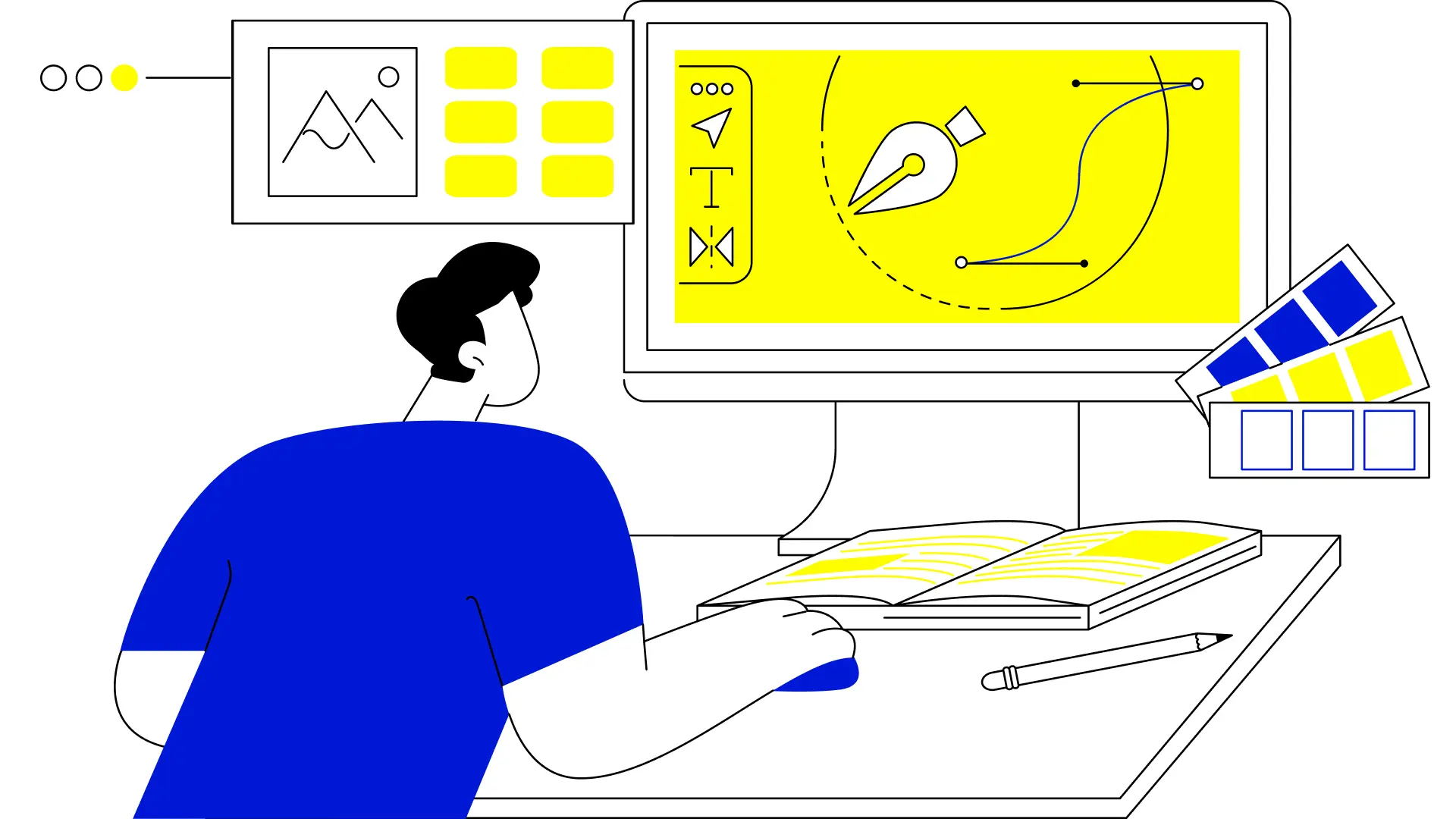
The tools available for brand system management have improved significantly in recent years. Figma is now the standard for visual identity and design system documentation. Brand management platforms like Frontify, Brandfolder, and Bynder provide centralised asset storage and guidelines access for distributed teams. Template tools like Canva (with brand controls) allow non-designers to produce on-brand materials without design support.
8. Measuring Brand System Effectiveness
Brand system effectiveness is measurable through consistency audits, design production efficiency, and brand coherence scores. Less formally, it is measurable through the frequency of “is this on-brand?” questions – a well-functioning brand system dramatically reduces the need for these escalations.
Read next: Startup Brand Strategy, B2B Brand Strategy in Australia, The Rebrand Playbook.
If your growing business needs brand systems that scale, The Animals builds brand identities and design systems that give growing teams the tools to maintain brand quality as they grow. Talk to The Animals about your brand system →